Client:
Swiss Public Transport Organisation
Services:
Platform Strategy, Product Strategy, Requirements Engineering, Stakeholder Alignment, Workshop Facilitation, Governance Design, Strategic Roadmapping, Digital Transformation
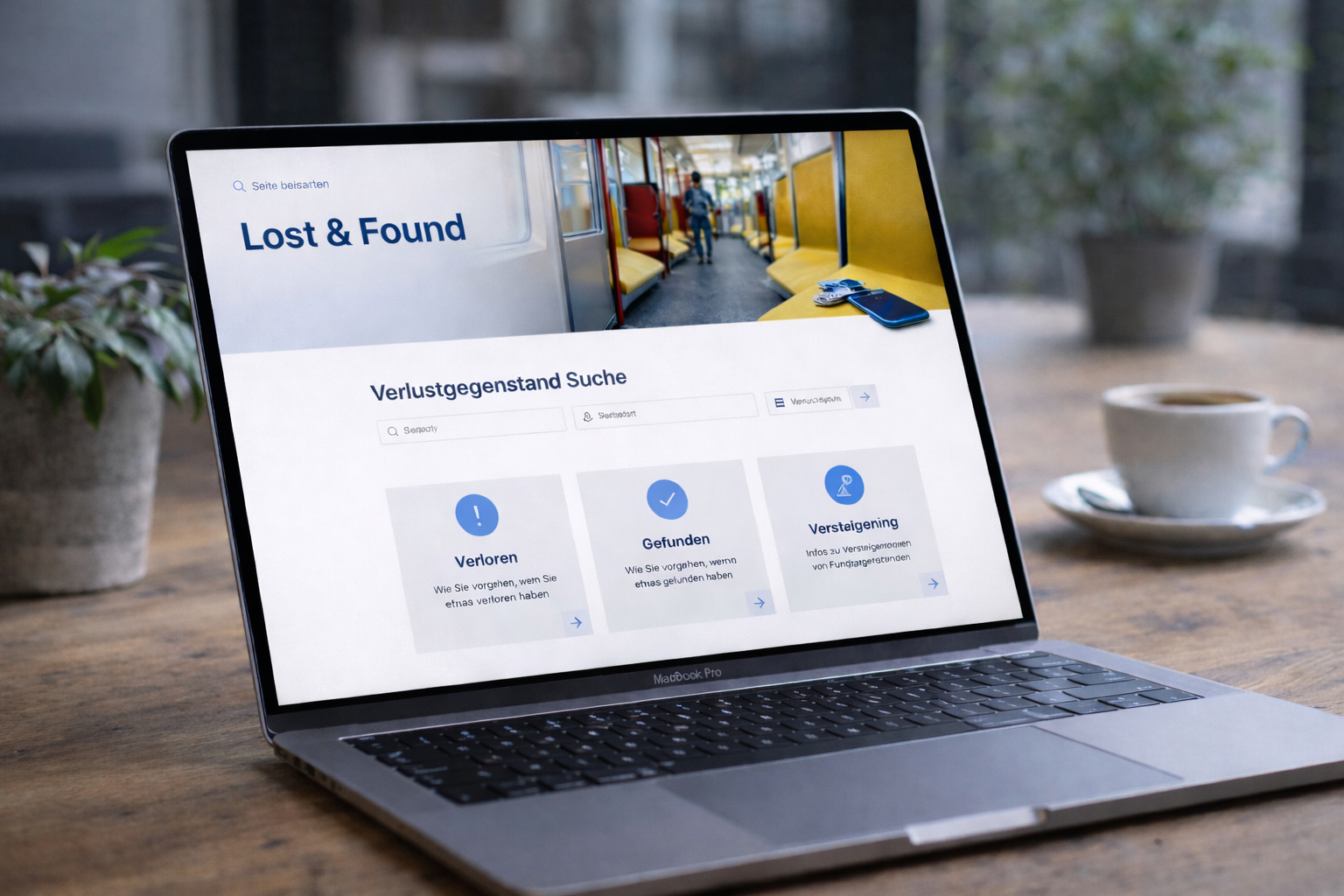
A major Swiss public transport organisation operated a fragmented legacy system landscape supporting its lost-and-found (Fundbüro) services and related customer service processes. Over time, multiple systems and operational workflows had evolved across departments and transport providers, leading to increasing complexity and an inconsistent service experience.
The objective of the project was to prepare the transition from the existing legacy environment toward a future platform-based solution for managing lost property processes across the organisation. This required consolidating requirements across organisational units and establishing a structured foundation for a future procurement process.
(Some details have been simplified due to confidentiality agreements.)
Managing Consultant → Manager
Eraneos Switzerland
I supported the organisation in structuring and consolidating requirements across departments, facilitating stakeholder alignment and preparing the strategic foundation for a future platform transition.
My role included analysing existing processes, moderating cross-functional workshops, translating organisational needs into a structured requirements framework and supporting the validation of proposed solutions through prototyping and testing activities.
The project combined process analysis, stakeholder workshops and iterative validation to prepare the organisation for a platform transition.
First, existing end-to-end processes and system dependencies were analysed to identify fragmentation and operational inefficiencies across departments. Requirements from different organisational units were then collected, consolidated and prioritised.
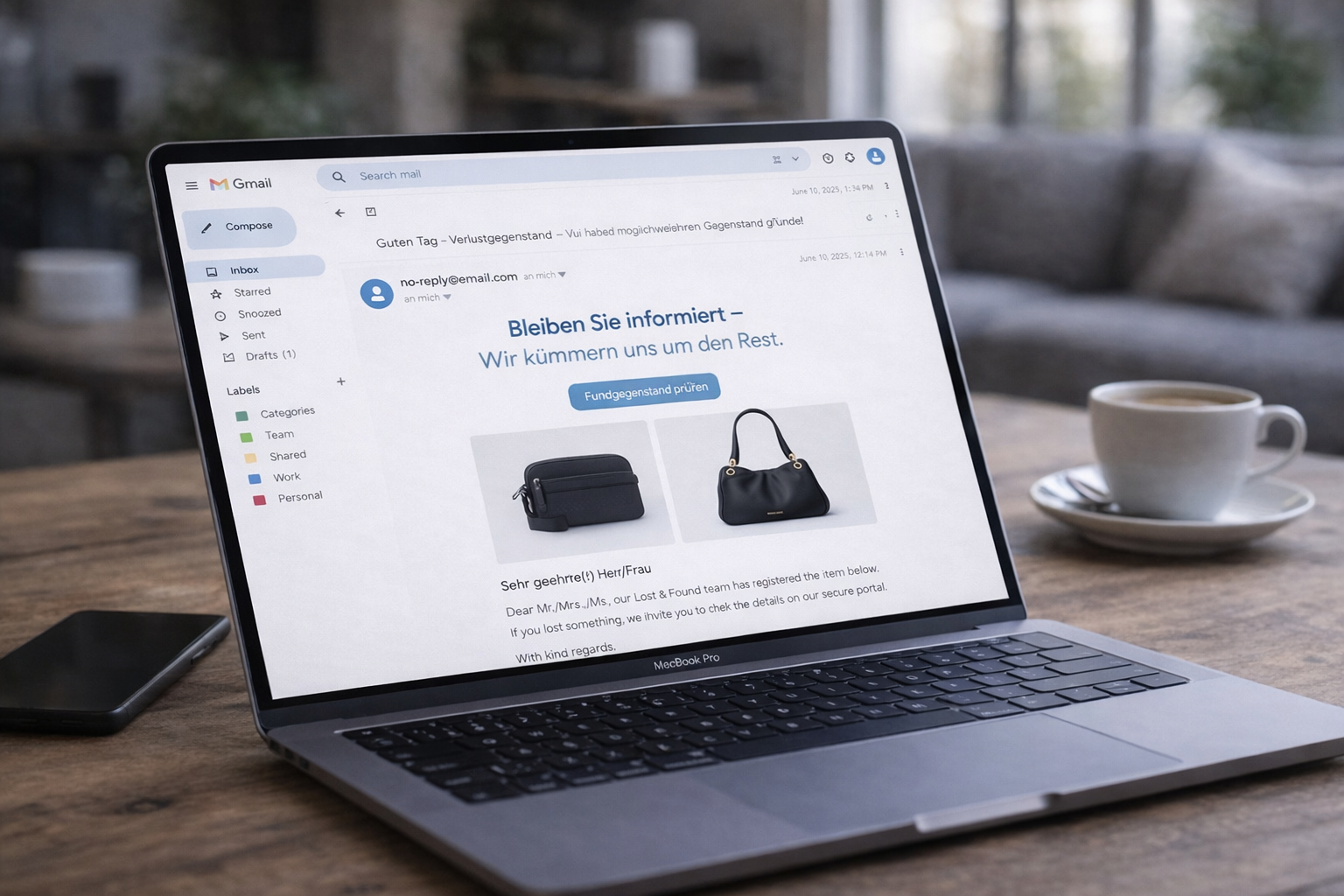
Based on these insights, solution concepts were developed and translated into early prototypes to visualise future processes and system interactions. These prototypes were used to validate requirements with stakeholders and to support structured user acceptance testing (UAT) scenarios.
In parallel, concrete implementation measures and change initiatives were defined to gradually move the organisation toward the future platform architecture.
• Analysis of the landscape
• Identification and visualisation of cross-department workflows
• Consolidation and prioritisation of stakeholder requirements
• Facilitation of workshops across the organisation
• Development of early solution concepts and prototypes to validate future processes
• Support of user acceptance testing (UAT) scenarios to validate requirements and workflows
• Preparation of procurement-ready documentation and requirements structures
• Definition of concrete implementation and change initiatives supporting the platform transition
The project created a clear and prioritised requirements foundation for the organisation’s future platform transition.
Through structured requirements consolidation, stakeholder alignment and early validation through prototyping and testing, the organisation gained a clear decision basis for leadership and a structured framework for the upcoming procurement process.
The work also enabled the organisation to initiate early implementation measures and prepare operational teams for the transition toward a more integrated digital platform.
Digital Transformation
Platform Strategy
Product Strategy
Requirements Engineering
Prototyping
User Acceptance Testing
Stakeholder Facilitation
Workshop Facilitation
Some elements (names, colors, logos, visuals) have been adjusted, changed and anonymized to respect confidentiality agreements.


